

As a wedding photographer based in Kilkenny, Ireland, I see couples struggle to choose the right photographer. Nearly every couple can spot a pretty highlight reel, but far fewer know how to judge whether a photographer can deliver 8 to 10 hours of consistent work. That is where wedding photography becomes less about a favourite Instagram post and more about matching coverage style, lighting skill, and process to the reality of your day. If you are comparing options, the useful question is not which style is “best,” but which approach will still work when timelines slip, rain arrives, and the dance floor turns dark.
Yet, implying that a professional wedding photographer handles those situations properly, you should understand how you would like to experience your wedding. Would you like to pose throughout the day for beautiful portraits, enjoy your time more with your family and friends, or something in between?
Below, I will briefly explain to you the main styles and approaches found in Ireland, but also found worldwide nowadays.
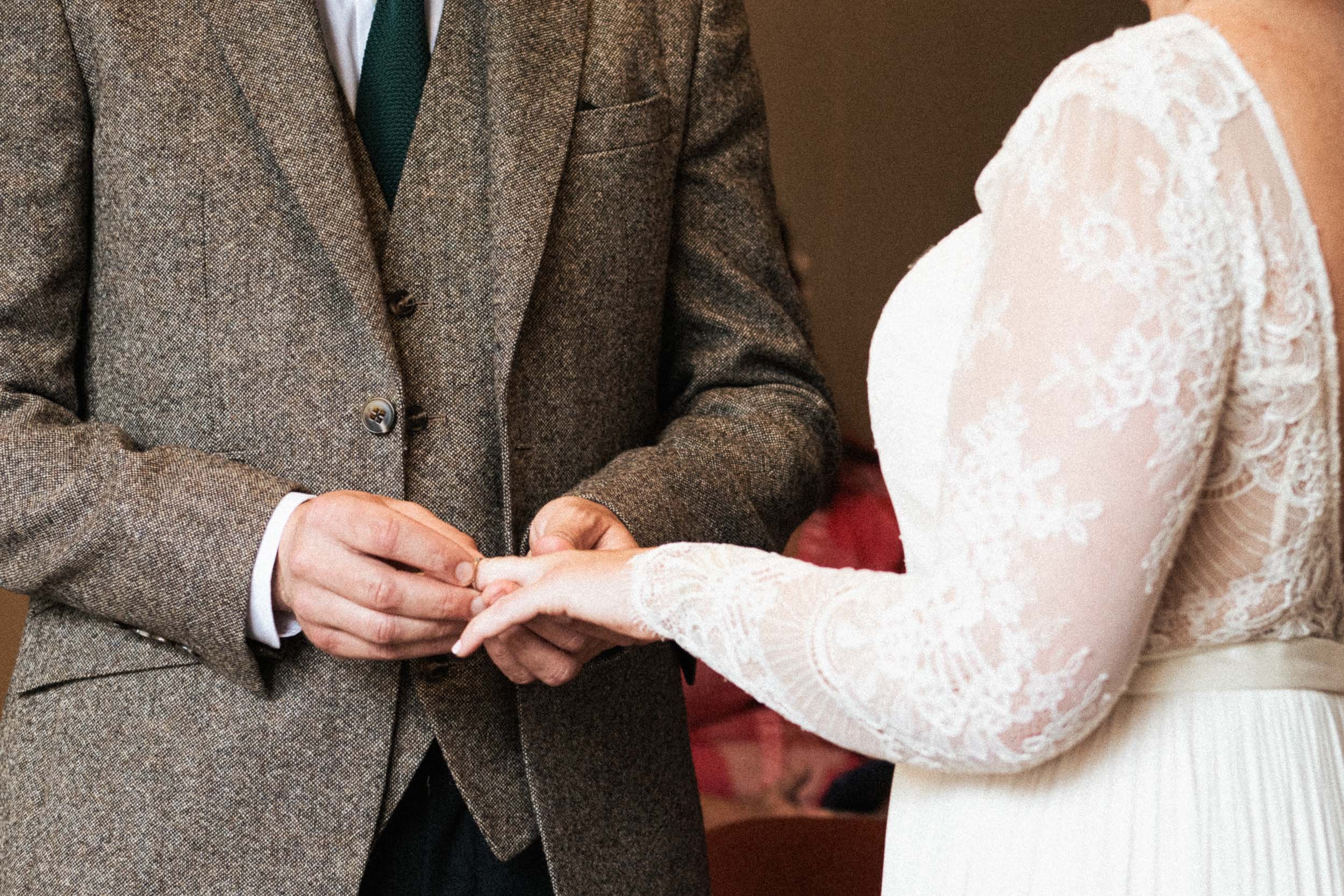
See more photos of ceremonies on my portfolio
How To Compare Wedding Photography Options?
A useful starting point is the outcome you want: story-first coverage, portrait-first coverage, or a balanced blend. A wedding photographer who builds around observational photography will prioritize emotion and flow, while someone centered on wedding photography poses will shape the day more actively, and hybrid wedding photography sits between those poles.
Consistency matters more than a polished highlight gallery because highlights hide weak indoor work, uneven low light photography, or patchy night coverage. Compare indoor and outdoor scenes, and confirm practical details such as turnaround time, backup lenses, first look planning, and whether the delivery reflects the whole day rather than a curated best-of set.
What “Good” Looks Like in a Wedding Gallery
A strong gallery shows coherent colour grading, stable exposure, and believable skin tone accuracy from bright prep rooms to candlelit receptions. That consistency generally proves technical control, which matters more than one dramatic portrait because weddings move through changing light faster than most portrait sessions. But there are exceptions.
An editorial style might not show that consistency. That’s not because of a lack of technical control but due to the use of film cameras (as opposed to digital ones), where consistency is harder to control. For the same reason, “imperfect” photos are actually wanted and often considered more timeless. Editorial wedding photographers who use digital cameras and have that style will try to simulate those imperfections in post-production (or by using filters).
You should also see complete ceremony coverage, reception coverage, candid moments, and unscripted moments involving guests, not just the couple. If a second shooter is included, the gallery should reveal why that matters, usually through parallel angles during prep, ceremony entrances, and guest reactions that add context to the story.
Questions That Reveal Fit Fast
Ask how they handle dark venues, mixed lighting, rain, and compressed timelines, because those answers reveal experience faster than style labels do. A confident response should include method, not vague reassurance, and the contract should clearly state coverage hours, delivery terms, and contingency plans.
Ask how much direction they give during portraits if you do not want constant posing. That answer tells you whether their process suits relaxed couples or whether the day may feel more managed than you want.
What is Traditional Wedding Photography? (Classic and Posed)
Traditional coverage is built around posed portraits, formal groupings, and a predictable shot list. For couples who want family structure, clean couple portraits, and dependable coverage of the key events, this style often performs well, especially when the timeline is tight but organized.
The strength of a classic approach is clarity because everyone knows when portraits happen and what must be captured. The tradeoff is that a portrait-heavy schedule can make the day feel more photo-led than experience-led if you prefer a lighter touch.
Pros
Reliable family formals are the core advantage here, and that matters long after the wedding because these are often the images that get printed, framed, and turned into albums. Clear direction also helps camera-shy couples who feel awkward without specific guidance.
Cons
A portrait-driven schedule can squeeze out quieter, unplanned interactions that often carry the emotional memory of the day. If your visual references come from platforms like 500px, remember that portfolio-style perfection does not translate into a relaxed wedding experience.

See my portraits in my Portfolio
What is Documentary Wedding Photography? (Popular in Irish Weddings)
Documentary wedding photography focuses on real events as they unfold, with minimal interruption and strong attention to documentary storytelling. This approach suits couples who want authentic storytelling, emotional nuance, and a day that feels lived rather than staged.
The appeal of observational coverage is that it records relationships, atmosphere, and timing with very little interference. Still, documentary and editorial wedding photography for modern couples has raised expectations, so many couples now want candid coverage plus at least a small amount of guided portraiture.
Pros
The best documentary work produces timeless imagery because it is rooted in real behaviour, not trends in posing. A documentary approach focuses on observational wedding photography focused on authentic storytelling, which is why strong candid work often feels personal years later.
Cons
If you want many directed portraits, pure documentary coverage may leave you wanting more structure. Quality also varies widely, so most useful wedding photography tips in this category come down to experience with fast action, difficult weather, and low light rather than buzzwords.
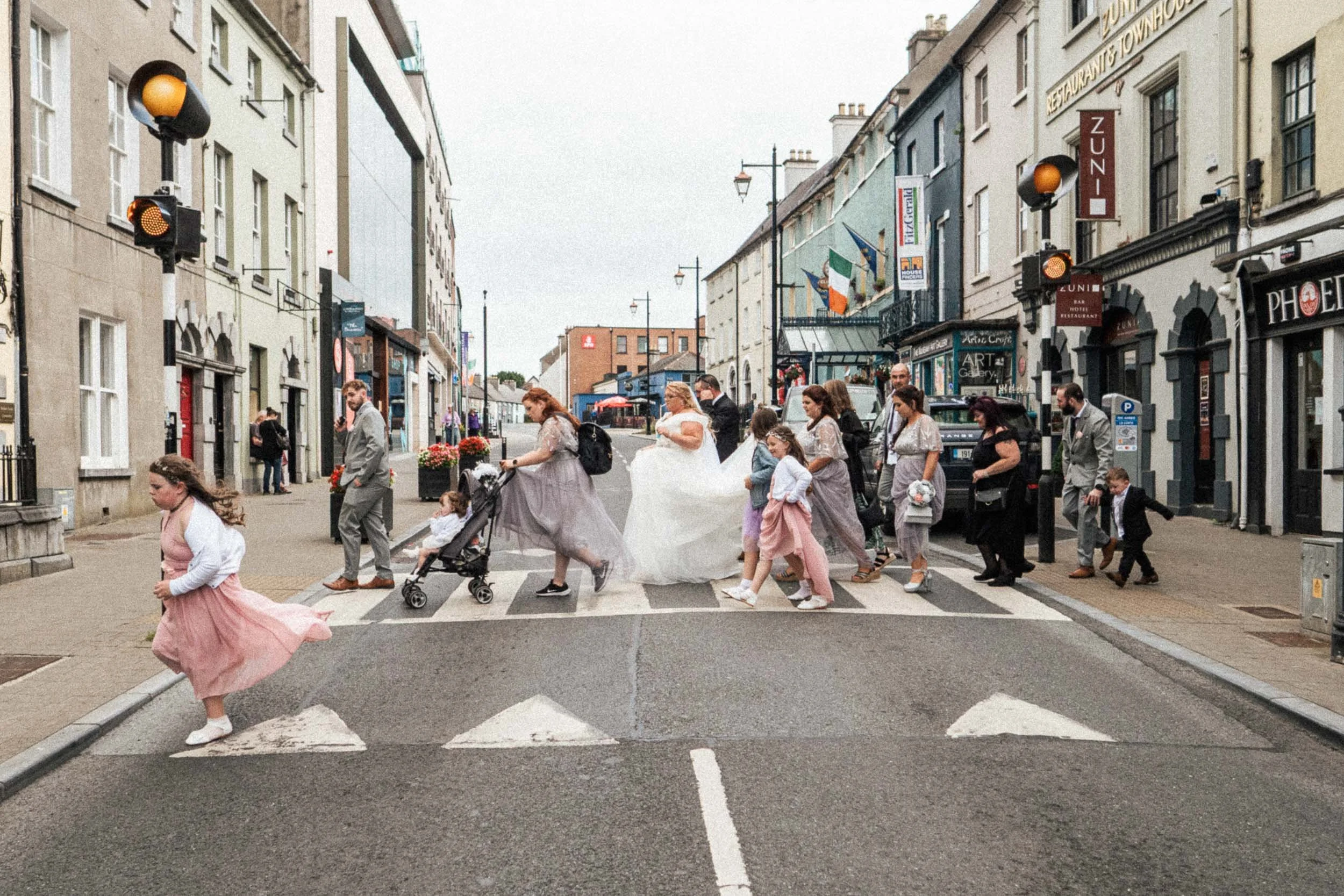
See my full Documentary Wedding Portfolio
What is Editorial Wedding Photography?(Fashion-Led and Intentional)
Editorial coverage prioritises composition, flattering light, styling, and highly intentional frames. Couples drawn to details photos, design elements, and timeless editorial imagery often prefer this approach because it gives visual weight to attire, florals, tablescapes, and architecture.
This style works best when the schedule protects portrait time and locations are chosen thoughtfully. Honest wedding photography with an editorial approach can still feel natural, but only when direction is efficient and the couple is not asked to perform all day.
Pros
Editorial work can create elevated portraits with strong visual control and clear art direction. Unscripted moments captured with intention and artistry also fit here when the photographer can move from fashion-led portraits to fast, reactive storytelling without losing coherence.
Cons
Too much direction can flatten spontaneity and make the day feel self-conscious. Editorial coverage usually asks more from the timeline, which means rushed schedules often reduce quality faster here than in looser documentary work.
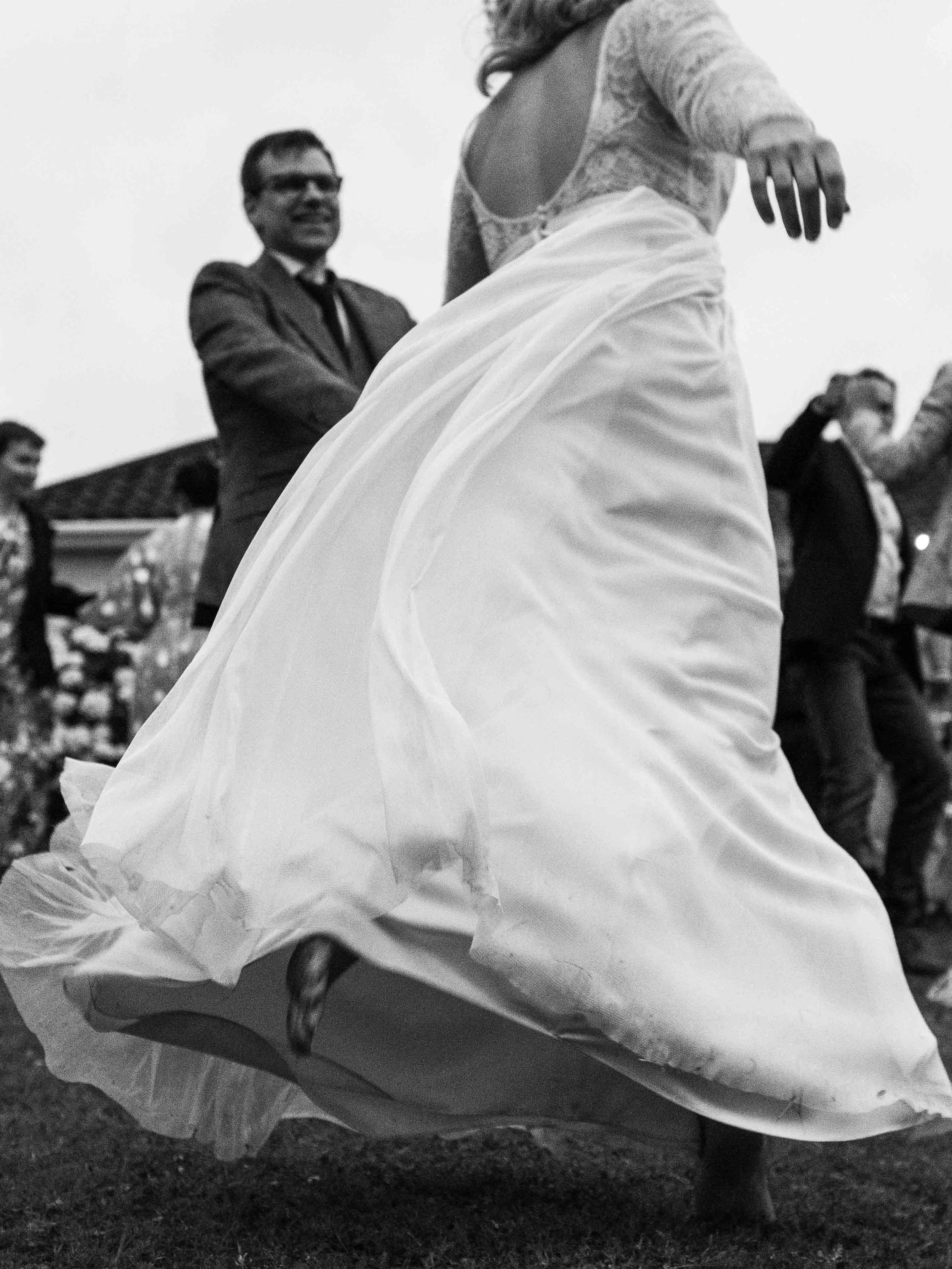
Editorial wedding photography often instils timeless emotions by using a cinematographic style. Motion blur and grain are elements found in the editorial wedding photos.
What is the Hybrid Documentary + Editorial style? (A Balanced Modern Approach)
Hybrid coverage is the modern middle ground because it combines candid storytelling with a short, purposeful portrait session. Where documentary storytelling meets timeless editorial imagery, couples often get the emotional honesty of reportage and the polish of a few frame-worthy portraits.
For example, Andrea De Rossi Photography often represents this hybrid wedding photography balance by blending observational photography for candid moments with efficient but natural direction for couple portraits and family formals.
This approach is especially useful for relaxed couples who still care about standout images. The key is communication about what should stay candid and what deserves guidance, because hybrid work succeeds only when expectations are specific.
Pros
You get real interactions plus refined portraits without spending the day on a pose treadmill. That flexibility makes hybrid coverage strong across changing venues, weather shifts, and mixed priorities among couples and families.
Cons
The photographer has to switch gears quickly from observation to direction and back again. If that transition is weak, the result can feel like not enough candids for story lovers and not enough structure for portrait lovers.
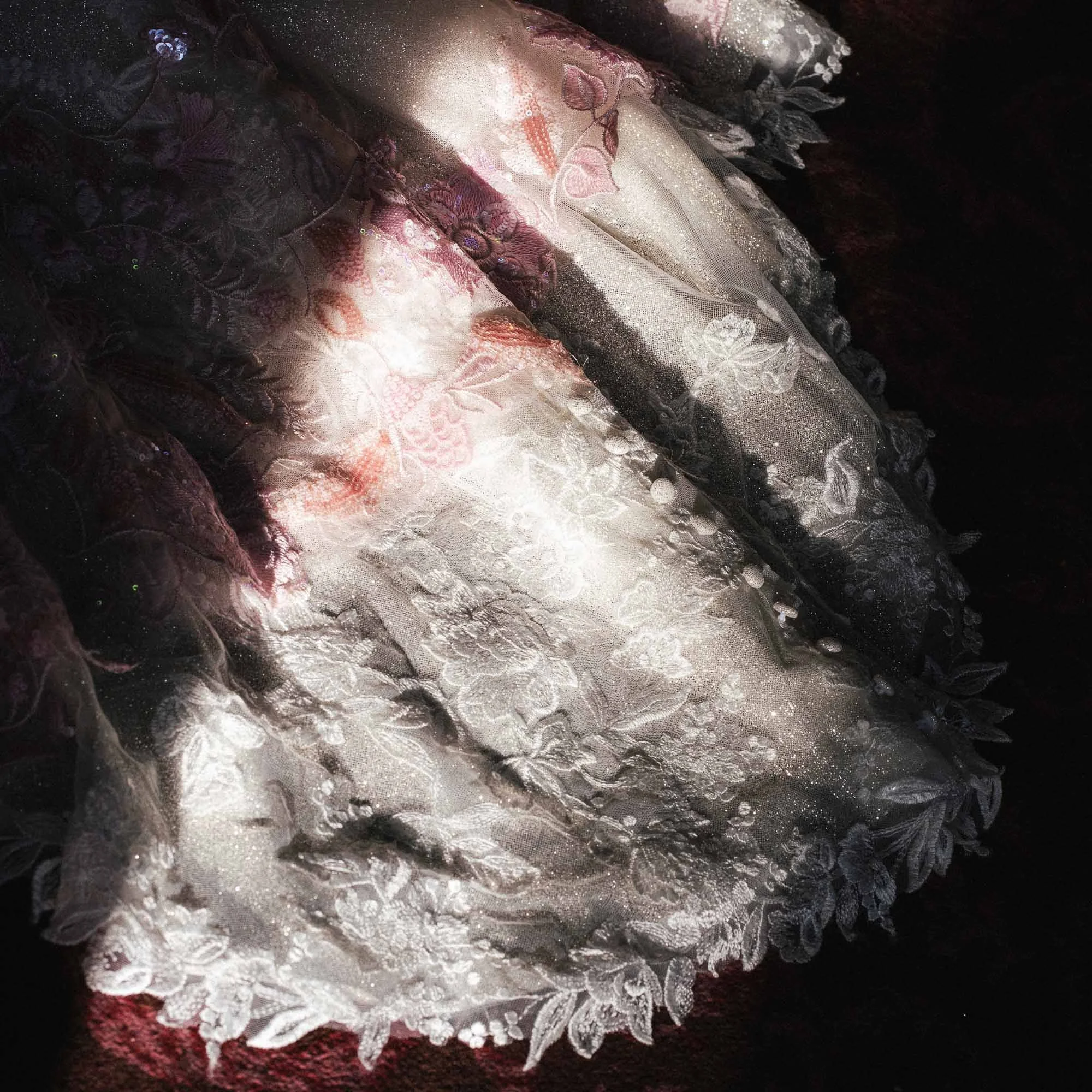
An editorial style often focuses on details and plays the light. The square format is more used than other approaches/styles
Quick Comparison (At-a-Glance)
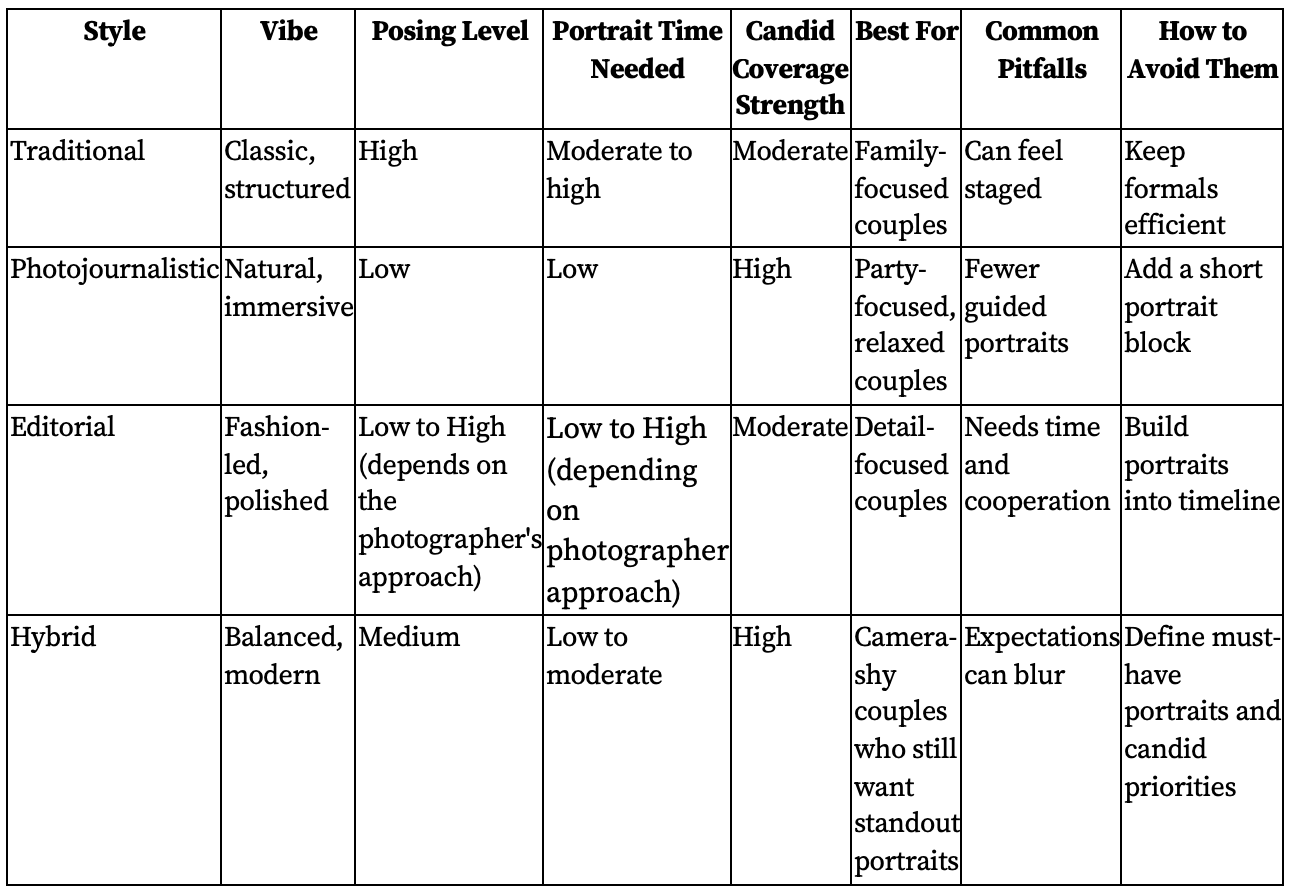
A comparison table is useful because style labels are often used loosely in marketing. The practical differences are direction level, time demand, and performance under pressure, especially in dark venues or rushed timelines.
What To Ask and What To Look For Before You Book
Check photos taken in different weddings. That may reveal editing style, getting ready photos, family formal handling, and whether timeline planning support is part of the process or left entirely to the couple.
Safeguards matter because beautiful work is irrelevant if files are not protected. Ask about insurance, data redundancy, backup workflow, and how colour, black-and-white edits, and retouching boundaries are handled so expectations stay clear.
Red Flags That Cost Couples Later
Vague answers about a backup camera, memory cards, dual card slots, or file storage can be a red flag for weak risk management in wedding photography. Another red flag is when a wedding photographer cannot clearly explain their plan for handling low light, fast-moving candid moments, and mixed lighting.
Green Flags That Signal Experience
Experienced photographers can explain exactly how group photos are organised, who gathers people, and where family formals happen. They can also explain how they work in harsh sun, rain, or dark receptions without sounding defensive or vague.
For practical planning, some couples review a wedding brochure or compare wedding packages to understand how coverage structures differ.
Planning Tips for Better Wedding Photos (Without Turning the Day Into a Photoshoot)
Breathing room improves images more than complicated shot lists because stress shows up on faces before it shows up on the clock. Build small buffers, plan portraits near open shade or golden hour portraits when possible, and decide early whether a first look helps the day flow.
Family formals become painless when you pre-list groups and assign one decisive wrangler. The most memorable images usually come from presence, not performance, so a calm schedule creates better photographs than constant staging.
A Simple Portrait Plan for Relaxed Couples
Aim for 15 to 25 minutes of couple portraits with light direction and natural prompts. A quick venue walk helps identify 2 or 3 safe spots with reliable natural light, including one rain option.
Details Worth Photographing (If You Care About Story)
Details only matter when they connect to the day, so prioritise wedding stationery, rings, attire textures, gifts, and the feel of each room. Small gestures such as hands, hugs, laughter, and speech reactions often carry more narrative weight than elaborate flat lays, which is why story-focused galleries usually balance objects with human moments.
FAQ
-
Spend according to your priorities, coverage hours, and tolerance for risk. Experience in difficult light, a second shooter, and reliable backup systems usually matter more than extras.
-
It is a commonly used planning guideline that suggests building in about 30 minutes of extra time before key scheduled moments (like the ceremony start or speeches). Adding 5-minute buffers between events reduces rushed portraits and late transitions.
-
One common way people use this idea is 20% safe shots, 60% strong story coverage, and 20% creative risks. That balance protects the essentials while still leaving room for distinctive images.
-
Not automatically. A wedding photographer can be expensive because you are paying for more than hours on the wedding day. Wedding photography pricing often includes pre-wedding planning, timeline guidance, location scouting, travel, backup plans, and pro gear that performs in low light. Packages may also cover a second shooter, assistants, insurance, permits, and maintaining multiple camera bodies, lenses, lighting, and redundant storage. Afterward, much of the work is post-production: culling thousands of images, colour correction, retouching, and delivering a consistent gallery in fast-changing light and candid moments. Experience matters in anticipating moments, running family formals efficiently, and adapting to venues across wedding photography styles.
